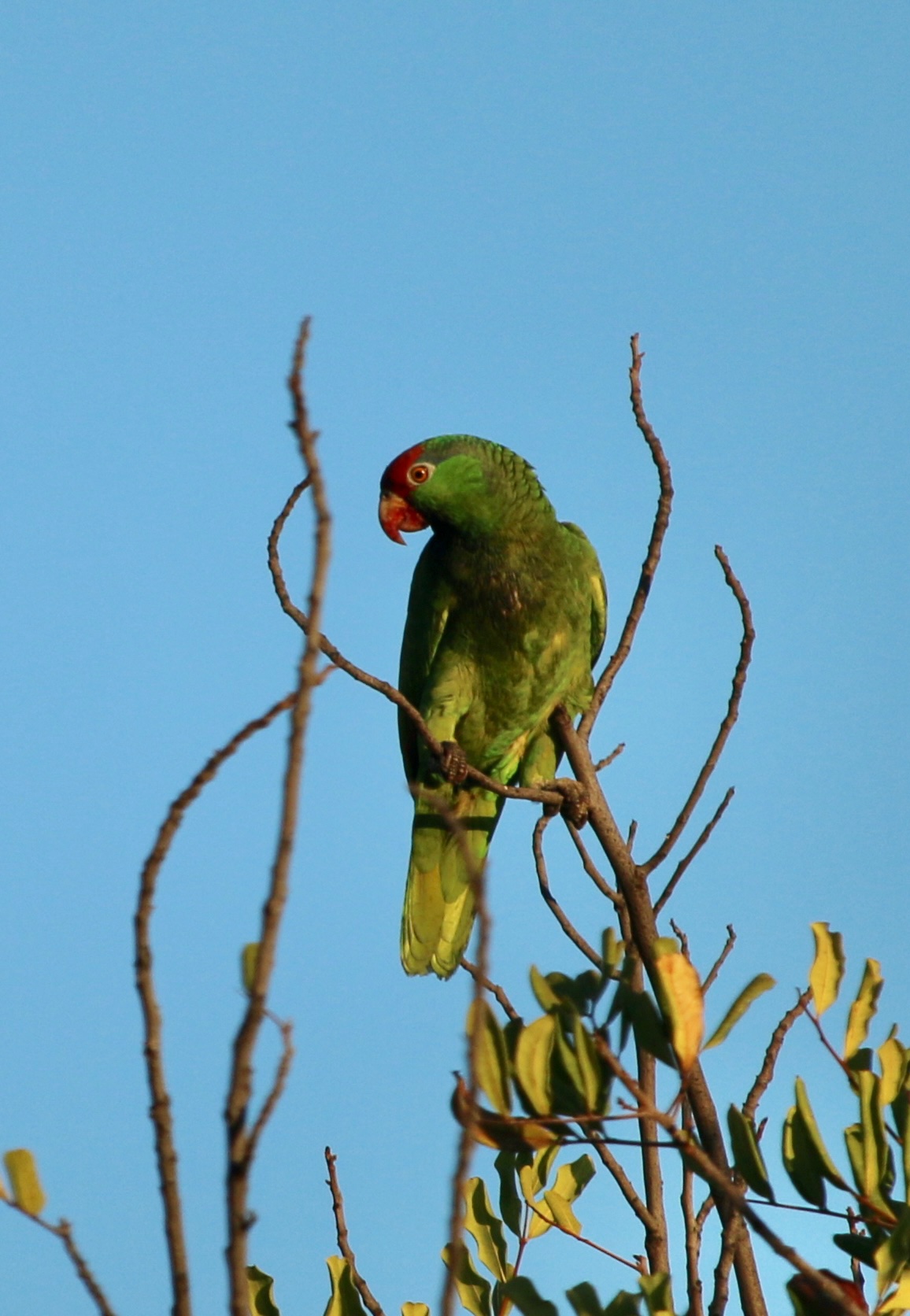
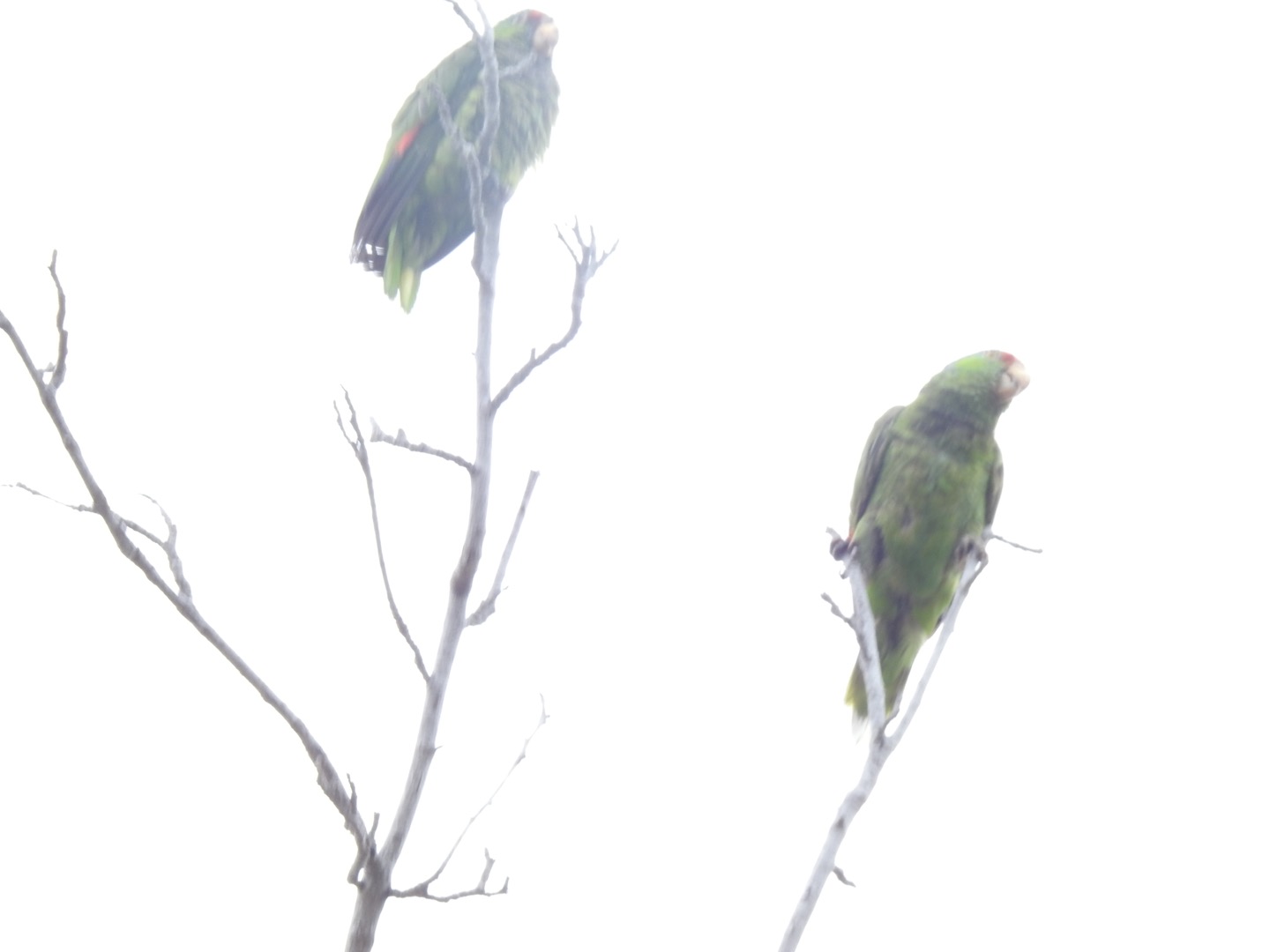
Like a lot of people, I was surprised to find parrots in Pasadena.
Unlike the peacocks, it isn’t clear how Pasadena got its huge flocks of parrots. Some say it happened when a pet store caught fire and the animals got loose. But that story is not backed up with any evidence that I’ve found.
Parrots and peacocks on the loose? Others think they just ended up in the area—flown off course?
Like the red-whiskered bulbuls, they are newcomers whose story is not known.
Liz shared this fantastic article about Pasadena’s red-crowned parrots the other day, Pasadena’s Screaming Parrots Are Super Annoying But May Save Their Species From Extinction.
Super annoying? I think not!
How about nonstop deafeningly loud police helicopters hovering over your house every day? Or nonstop leaf blowers? Or firecrackers?
The parrots are like a symphony orchestra compared to those menaces.
Fun Fact from Article:Fun fact:
A group of parrots is called a “pandemonium,” which is actually the perfect description for how crazy — and crazy-making — these birds can be. Prepare your ears (and we suggest headphones if you’re at work right now) for the video below.
Following a link to a second article, Creating an ‘Urban Ark’ for Endangered Species in Los Angeles
Earth Focus, I learned that the species I see the most often are from the Amazon.
Amazona viridigenalis.
Green-cheeked Amazon is what the scientific name means. Though everyone I know calls them red-crowned parrots.
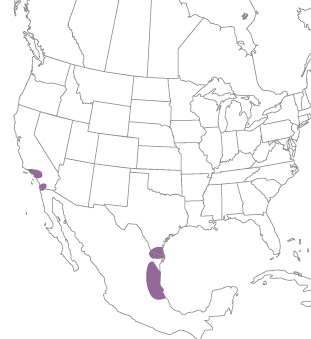
From the article, I learned that:
In the 1970s and ’80s, tens of thousands of chicks and adults were poached from the red-crowned parrots’ original habitat in northeastern Mexico, in the states of Tamaulipas and San Luis Potosí, and brought to the United States to be sold in the pet trade. Because of the poaching and habitat loss from deforestation, their population dwindled in Mexico, and red-crowned parrots are now listed as an endangered species in Mexico and by the International Union for the Conservation of Nature.
In the meantime, however, their pet cousins in the United States escaped or were let go by owners who realized too late that wild-caught parrots make terrible pets, and that even tamed ones are demanding and noisy. Red-crowned parrots established sizable wild populations in Florida and California. In the Los Angeles area, there are about 2,000 to 3,000 individuals, a number that could at this point rival or exceed that of the remaining wild population in Mexico. Feeding largely on nonnative nut and fruit trees, red-crowned parrots started to breed and became a permanent feature of the greater Los Angeles landscape over the course of the 1980s and ’90s.
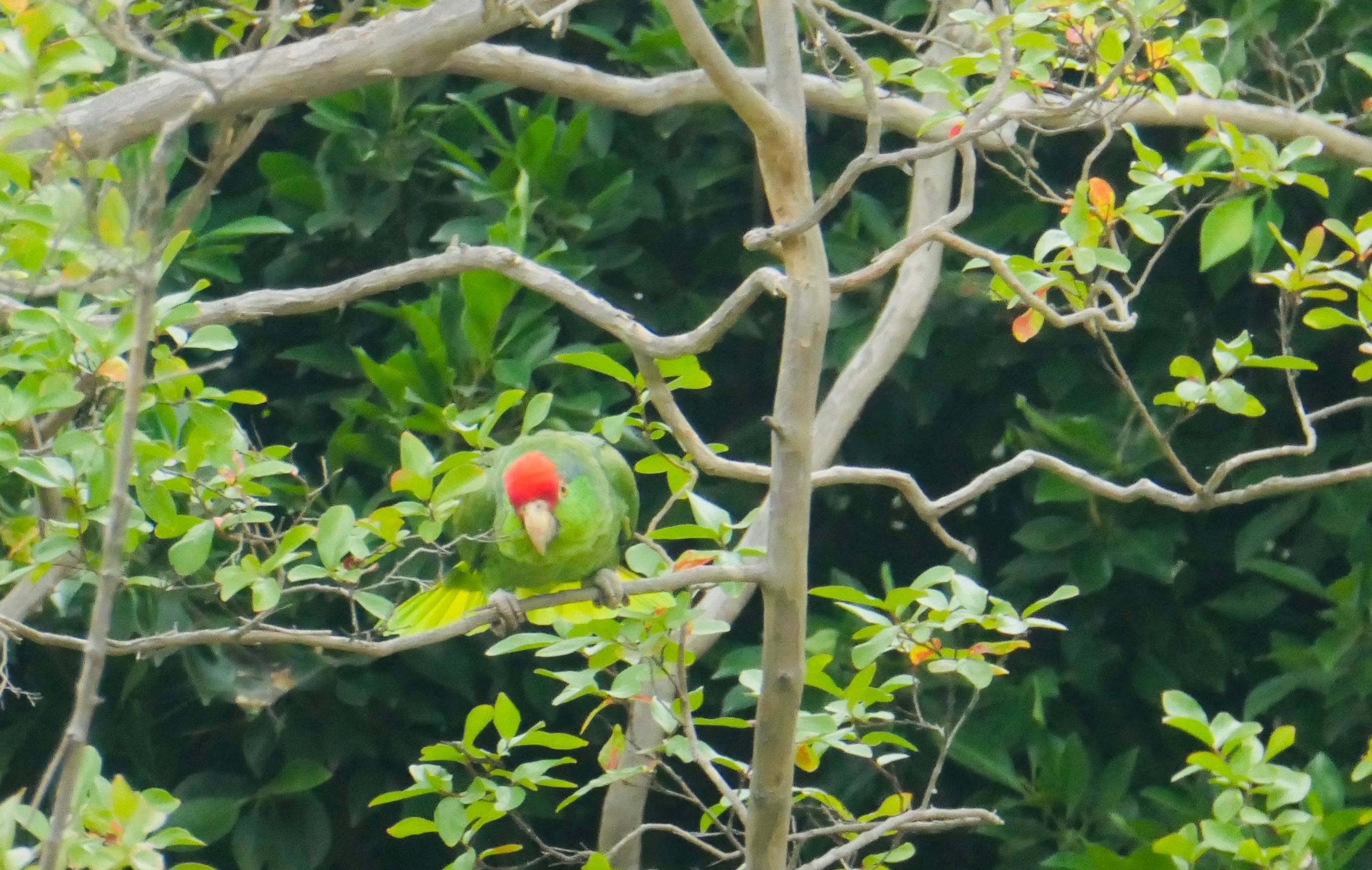
In Pasadena, people complain about the racket they can make… and it is true, they are so loud! But like the author in the article, every single time I see a flock go screaming by, I feel a small sense of awe! Like her, sometimes I have even felt overcome with emotion when I see the huge flocks coming back to the trees to roost at night. The author makes a great case for making room for them too.
There are so many reasons why Vienna is considered to be the most livable city –without a doubt it is the city I would choose if I could live anywhere in the world. And one of the greatest things about Vienna is that it is livable for all creatures–not just humans. Space is made for the birds and bees, foxes and rabbits. Boar. You name it.
We want to protect the endemic species. But there might also be space for newcomers, especially if their habitats back “home” have been destroyed. Cities in particular could be perfect places to allow for this since cities have already pretty much displaced what came before.
s.
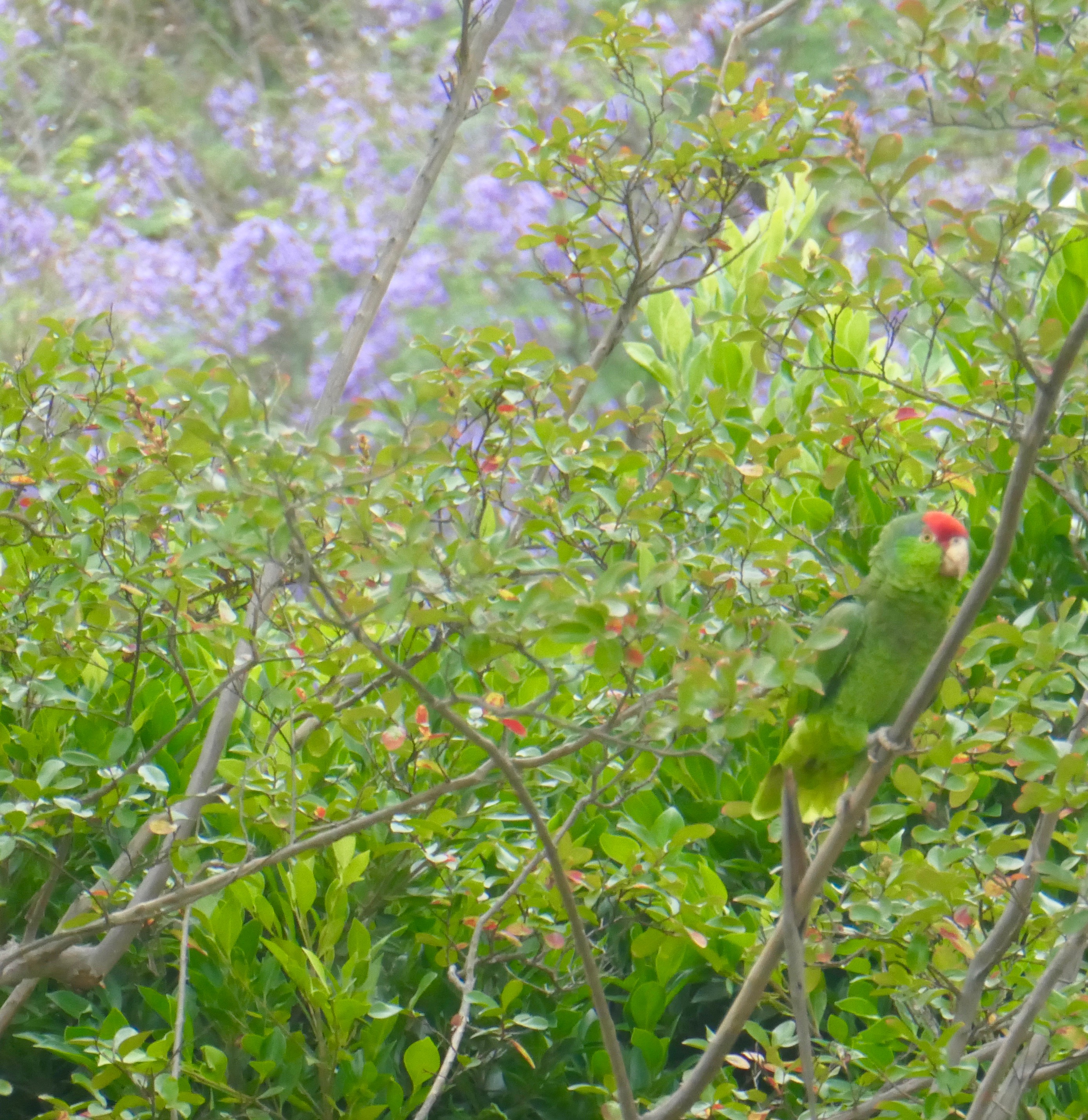
More photos by Chris below. Someday I would love to see a few more of LA’s native parrots.
Naturalized Parrots of Southern California
Rose-ringed Parakeet (Conures) from tropical Africa and India
Lilac Crowned Parrot (Amazons) from the Pacific Coast of Mexico (vulnerable)
Red Crowned Parrot from NE Mexico (endangered)
Yellow Headed Parrot from southern Mexico down to Honduras (endangered)
Red Lored Parrot from the Caribbean Coast in southern Mexico down to Nicaragua
Red Masked Parakeet from Ecuador and Peru
Mitred Parakeet from Peru, Bolivia, and Argentina
Blue Crowned Parakeet from eastern Colombia all the way south to Argentina
Yellow Chevroned Parakeet from countries south of the Amazon River Basin
Nanday Parakeet from central South America
Blue (Turquoise) Fronted Parrot from central South America
Monk Parakeet from the Amazon Forest in east and central South America—also known as the Grey-headed or Quaker parakeet in the United State
 Dewdrop World